Build it and they'll come?
Sadly not, the "built it and they'll come" mindset is a myth, especially when it comes to building projects in Godot. When building projects its very easy to get tunnel vision and solely focus on making your game the best it can be, but it is just one piece of the puzzle.

Sadly not, the "built it and they'll come" mindset is a myth, especially when it comes to building projects in Godot.
Look, I understand the mindset, I'm primarily a programmer too. When building projects its very easy to get tunnel vision and solely focus on making your game the best it can be. Of course a high level of polish is important, but it is just one piece of the puzzle.
Build it and tell them!
Your game could be a masterpiece, but if nobody knows it exists that ultimately doesn't matter. You still won't make any money. So how should you go about telling people?
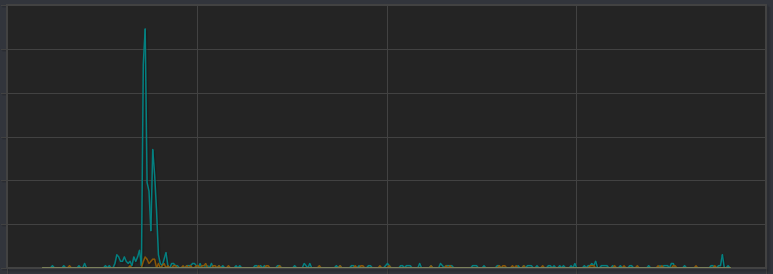
Don’t wait until the game is finished to begin talking about it. Share your progress along the way, this could be through devlogs, screenshots, short videos, and behind-the-scenes peeks can all help build interest. Even a simple animated GIF of a feature you just implemented can generate buzz if posted at the right time, in the right place.
Equally important is understanding who you’re making your game for. Are you building a cozy puzzle experience? A fast-paced precision platformer? A story-rich visual novel? Each of these audiences exist in different spaces and a one-size-fits-all approach to marketing will frankly fall flat on its face.
The better you understand your audience, the more effectively you can speak to them through your marketing. Every genre and sub-genre has its own language, vibe, and community hangouts tap into that. I've sound success in gathering player feedback and building Steam wishlists in genre specific subreddits and Discord servers.
Moreover, don’t wait until your Steam page is live to start building your audience. Set up a simple landing page early, and offer a newsletter signup. An email list is a direct line to people who’ve already shown interest in your work and unlike algorithms, having an audience in a mailing list means you have complete control over who receives information from you and when.
Marketing may feel unnatural at first, and probably embarrassing too as its difficult to put yourself out there. However, it’s a skill like any other. And the sooner you start practicing it, the better your chances of finding players who love what you’re building.
Networking - it really is who you know
Game development, especially when you're working solo or in a small team, can often feel like an isolating process, but it really shouldn’t be. The relationships you build along the way can have a bigger impact on your success than you might expect. Whether it's getting honest feedback on your prototype, finding a collaborator to support your project, or even getting a surprise shout out from a developer with a much larger reach, the connections you make can open doors that talent alone might not.
Start by becoming an active part of the Godot community. There’s a rich ecosystem of forums, Discord servers, Bluesky accounts and more. All of these communities are full of people who are just as passionate about game development as you are. Show up, ask questions, share your progress, and be genuinely helpful. The more visible and supportive you are, the more likely others will be to return the favor when you need it most.
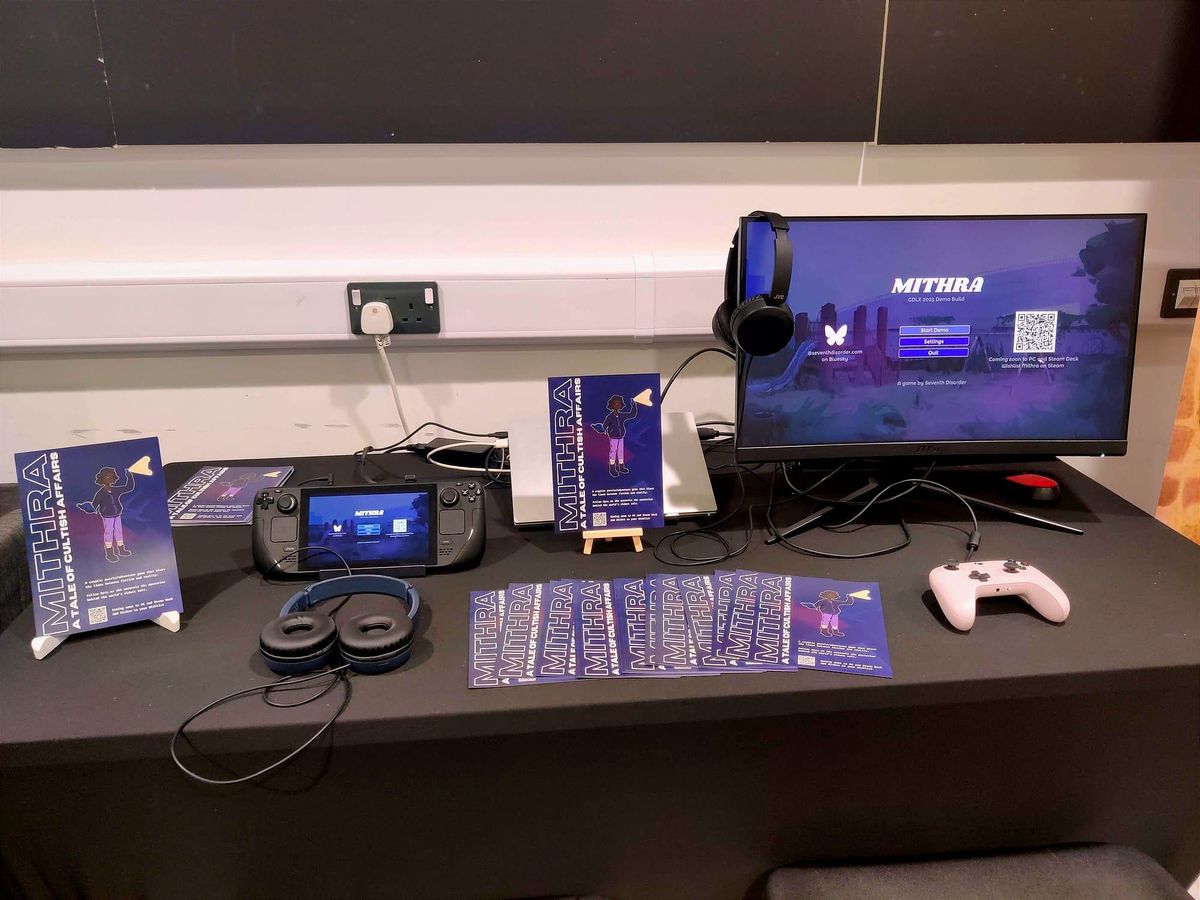
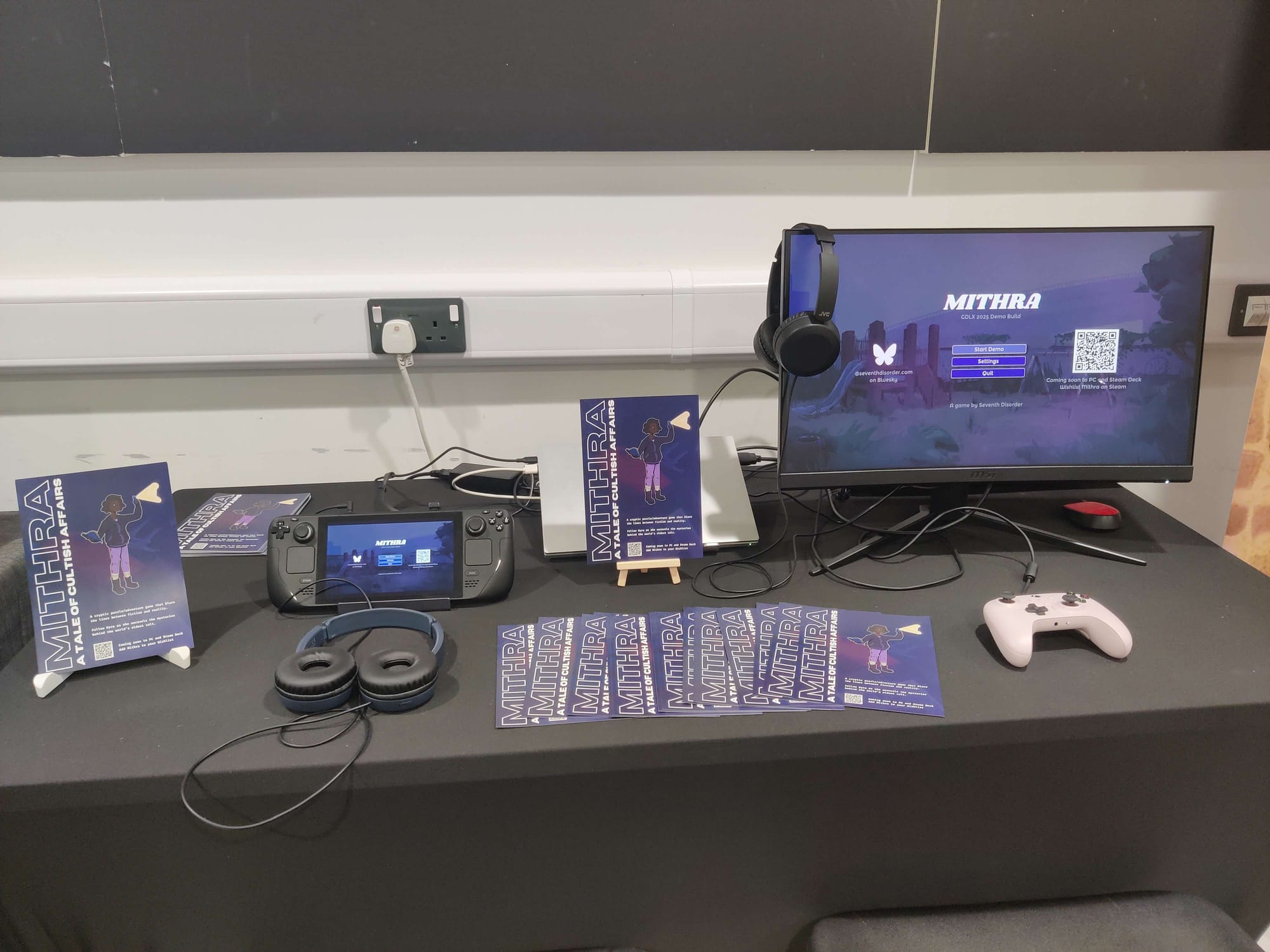
Don’t underestimate the power of events either. Whether it's a local meetup, or a digital showcase, these spaces are where real relationships are built. Even a casual conversation in a chat thread can lead to unexpected opportunities down the road. I recently showcased my a personal project - Mithra, wishlist on Steam - at GDLX 2025 at the University of the Creative Arts and I met a load of amazing indie developers. While there, I was able to speak with fellow developers to share tips on funding, marketing and simply share our experiences in building games. By simply attending the event I have grown my network to include a number of new professionals across a wide range of disciplines. By simply being out there and willing to share my expertise, I've been invited to run some business development workshops for startups later this month.
One of the most important principles in networking is to give before you ask. Share feedback on someone else’s project. Boost their posts. Offer encouragement. It’s not about keeping score, it’s about being a part of a community that supports each other.
If you’re not sure where to start, try this: reach out to just one other Godot developer this week. Ask them what they’re working on, and really listen. No agenda, no pitch, just a genuine conversation. That’s how meaningful connections begin.
Don't forget that this is a business
You don’t need a business degree to run a sustainable studio, but ignoring the business side altogether is one of the quickest ways to burn out and/or run out of money. No matter how passionate you are, turning game development into a livelihood means thinking beyond the code.
Start by setting up a realistic budget. That means keeping track of both your financial expenses and your time. Tools, asset packs, plugins, and marketing costs all add up, and so do the hours you pour into development. Hours spent building a game are hours you could have used to make money in another way, so make sure you're using them wisely!
Whether you're bootstrapping or setting aside savings to support yourself, knowing where your resources are going helps you make smarter decisions and avoid surprises down the line.
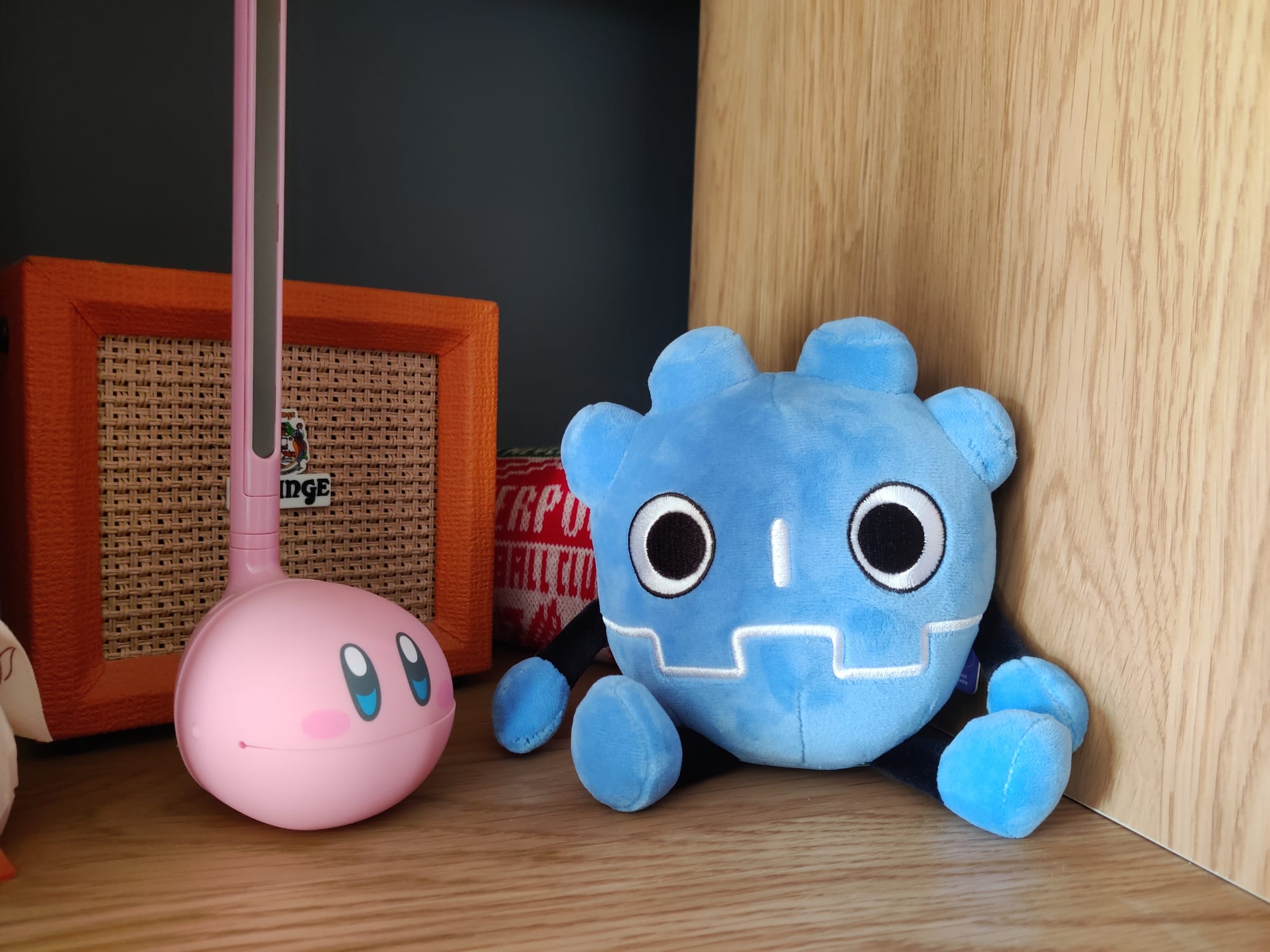
It's also important to understand the different ways games generate revenue. You might plan to sell your game outright on Steam or itch.io, but there are other options: Patreon, tips, early access, bundles, and even post-launch DLC or even merch. Sometimes revenue streams appear in the most unlikely places. Case and point, I'm a proud owner of a Godot Robot plush (as are 3500+ other people) the sale of which raised thousands of dollars for the Godot Foundation to support the engine's development.
And then there's the legal side. Not fun, but essential. As an indie dev using open-source tools like Godot, it's crucial to understand how licenses work and what they allow (or restrict) you from doing. On top of that, if you're freelancing, collaborating, or releasing paid content, you'll want to get familiar with contracts, tax responsibilities, and even trademarks if you're building a recognizable brand.
If all this sounds overwhelming, don’t worry. Start simple. This week, try tracking your development hours and listing your recurring expenses. You don’t need to build a full financial model overnight but getting a clear picture of where you stand is the first step toward building something that lasts.
Your game is more than just code
As game developers, especially those of us working in Godot, it’s easy to stay laser-focused on what’s happening in the editor. We tweak mechanics, fine-tune shaders, and chase the perfect moment-to-moment gameplay. But if your goal is to build a business, not just a game, then it’s essential to widen your view.
Marketing helps you find the players who will care. Networking brings opportunities, support, and collaboration. And business basics? They keep your creative work sustainable. These skills aren’t distractions, they’re part of the same craft. They're how you take your passion and turn it into something that lasts.
You don’t need to master everything at once. But start somewhere. Share a devlog. Message another Godot dev. Track your time for a week. Each small step brings you closer to building a thriving creative business.
And you’re not alone. The Godot community is full of people figuring it out together, including me as I write this newsletter. So if there’s something you’re stuck on or curious about, reach out and ask.