Bibidi Bibidi: An indie duo take on the crafty-buildy-strategy-simulation space
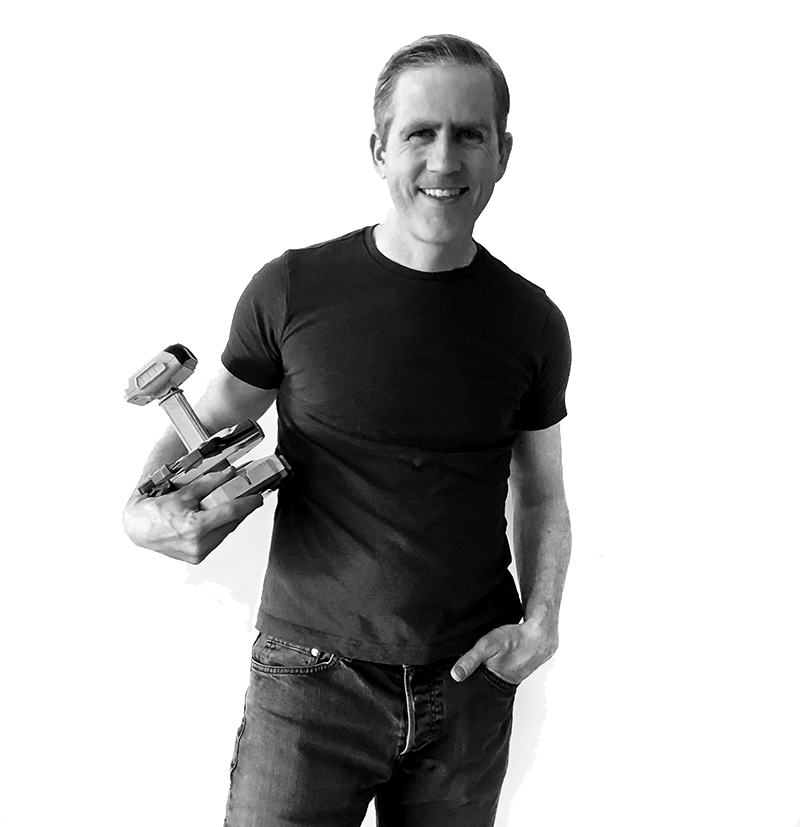
In this weeks interview, Jared speaks with Daan Last, one of the developers behind the upcoming wizardcore deckbuilder Bibidi Bibidi.

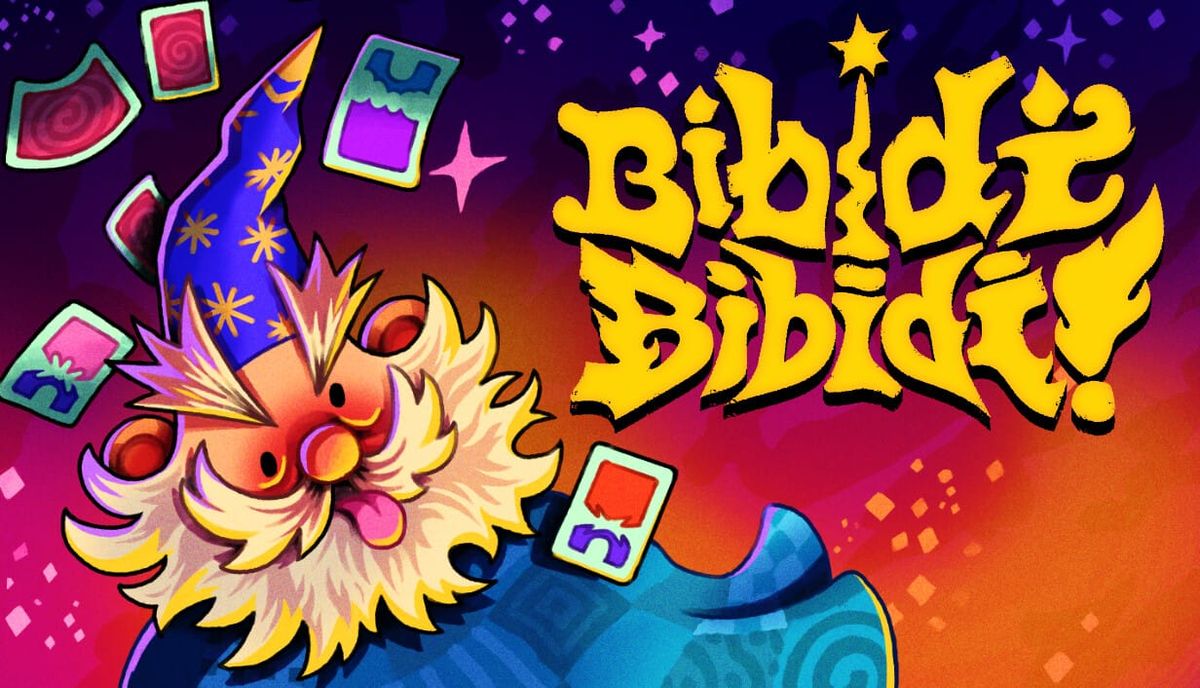
This month I had the pleasure of speaking with Daan Last, one of the developers behind the upcoming wizardcore deckbuilder Bibidi Bibidi.
In our interview, we touch on attempting to build a commercially viable game in 3-6 months, reasons to leave Unity behind and the importance of paper prototypes.

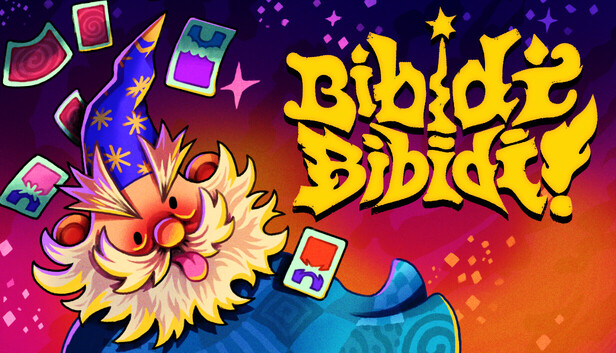
Jared: Hi Daan, thanks for speaking with me today today. For readers who are learning about Bibidi Bibidi for the first time, can you tell us about the project in your own words?
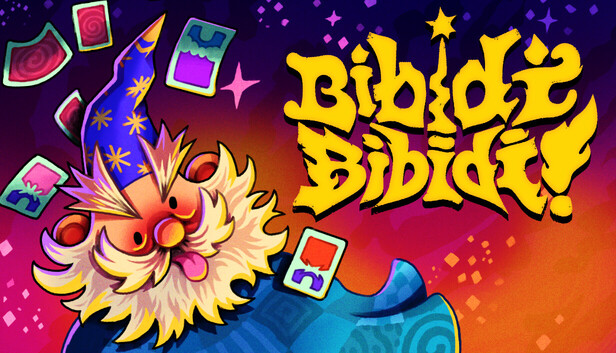
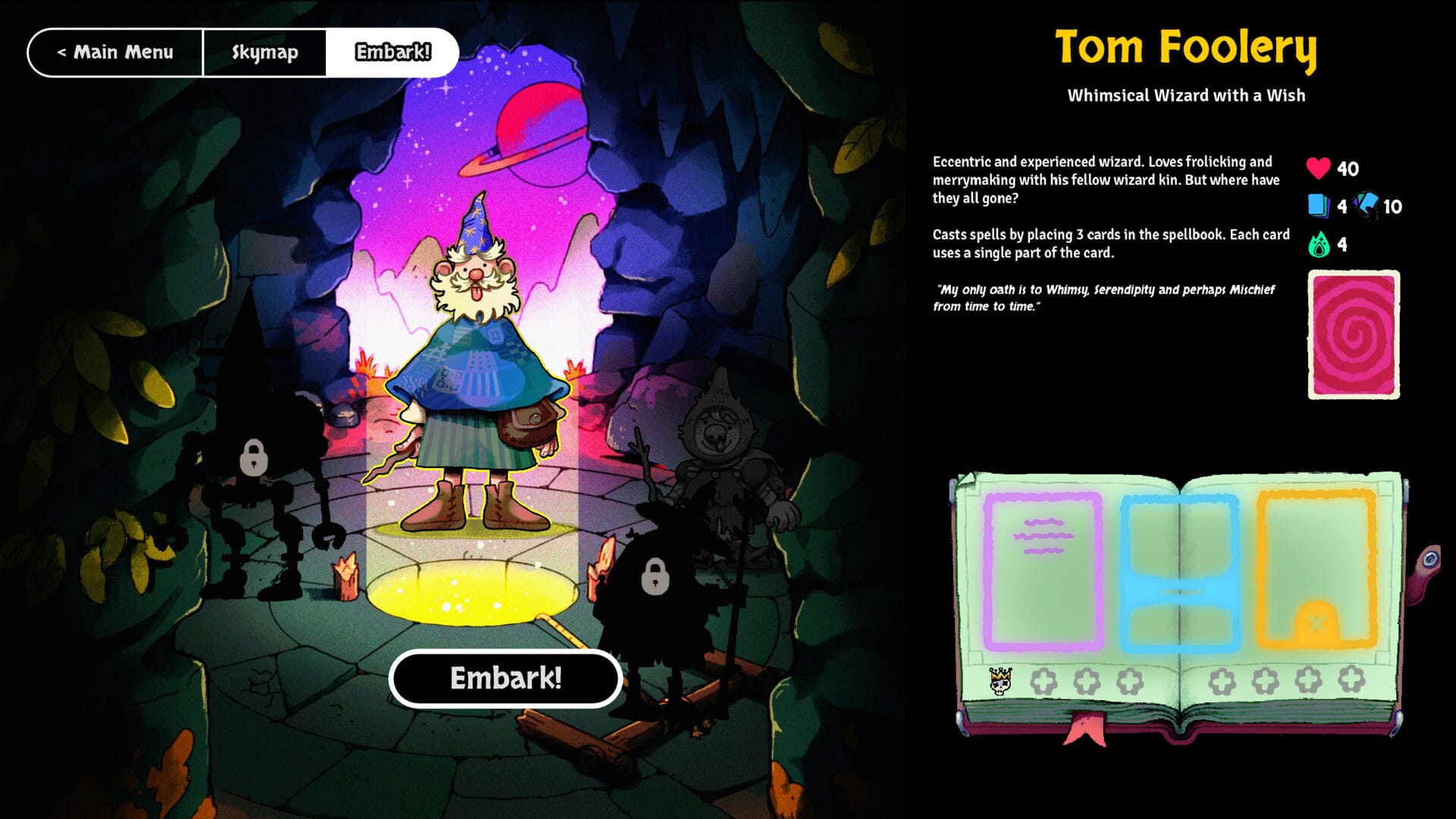
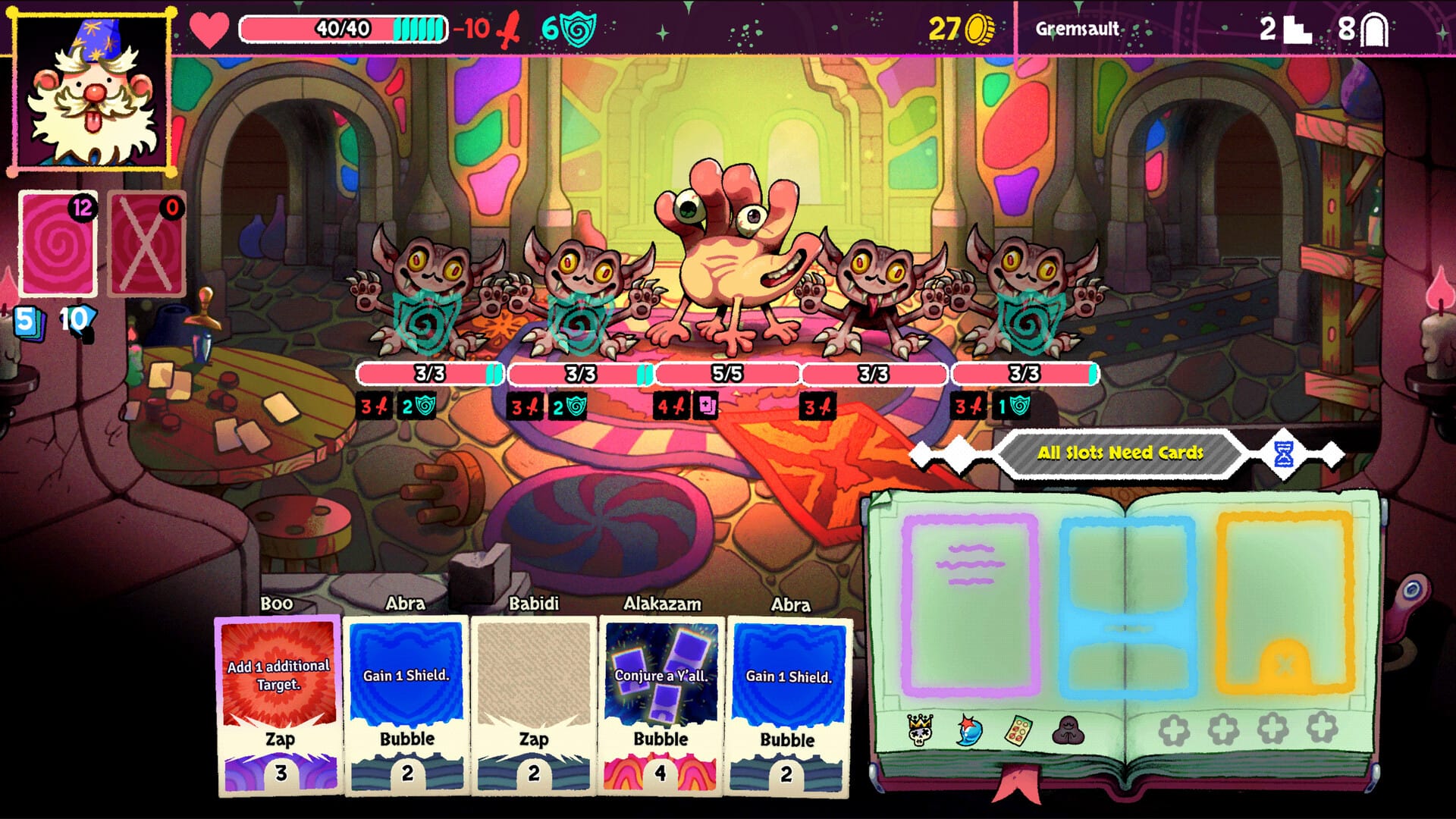
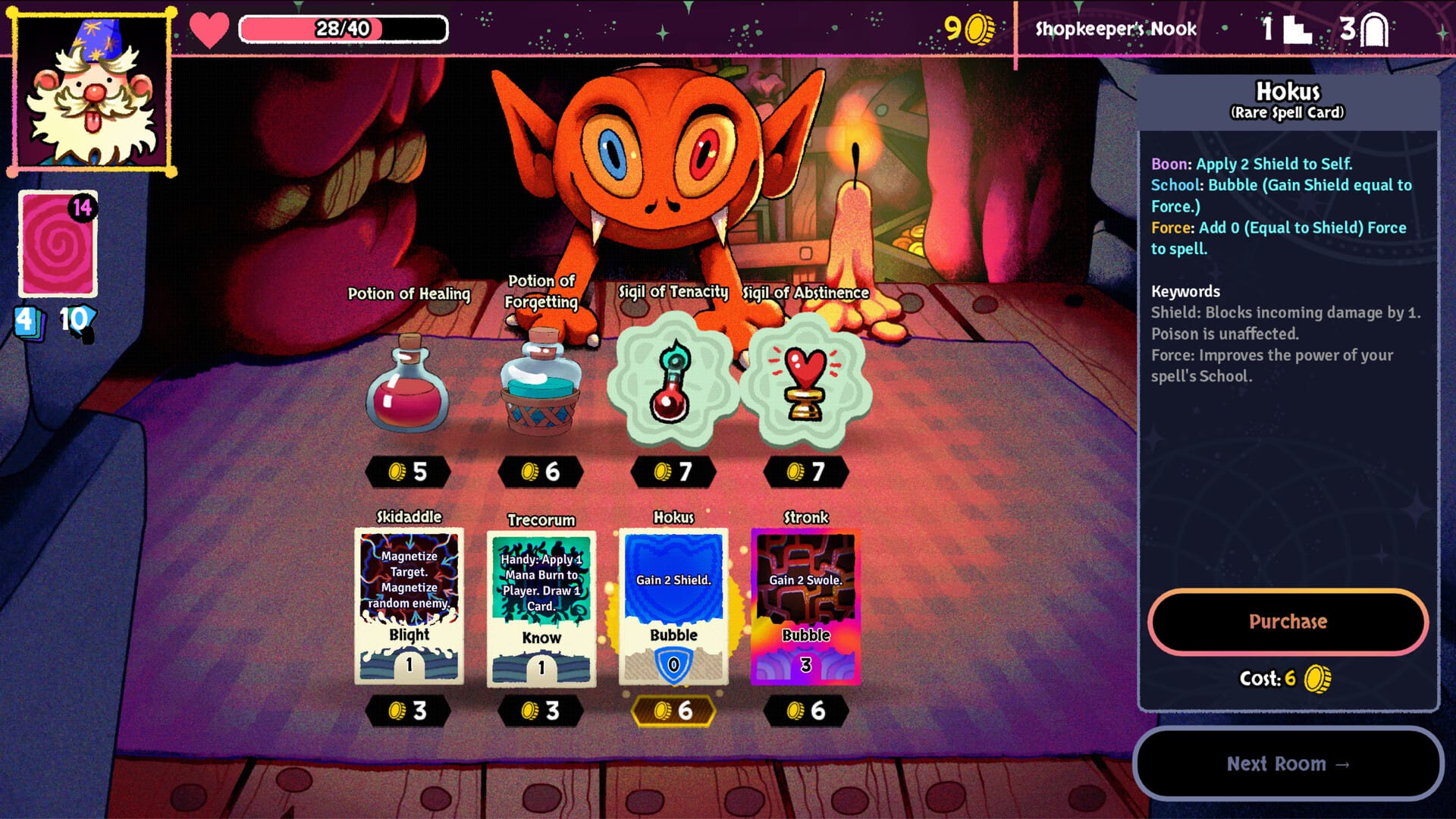
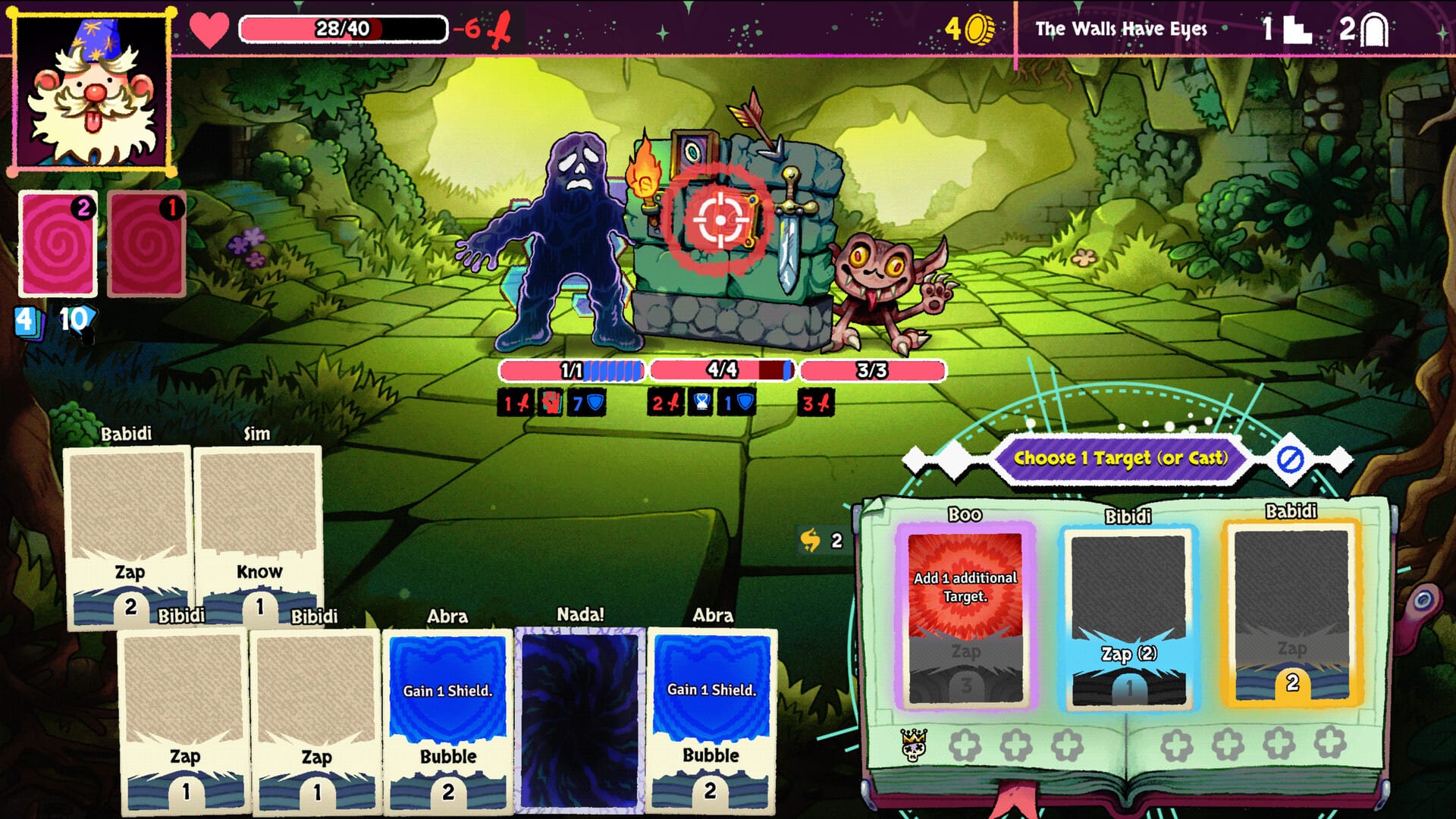
Daan: Bibidi Bibidi! is a wizardcore roguelike deckbuilder in which you craft spells by combining cards into your spell book. Each card is a part of a classic magic incantation, Bibidi, Hokus, Pokus, Abra, Kadabra, et cetera. When you cast a spell, a silly little wizard character shouts it out for you!
Daan: We're leaning heavy into whimsical wizard vibes, so I'd say there's quite a few surprises in the game that other, more conventional deckbuilders might not tap into.
Jared: As this is a Godot focused blog, I'd love to know why you opted for Godot rather than one of the larger engines like Unity or Unreal?
Daan: Before going indie, I was a professional technical artist specialised in Unity for close to a decade. I knew the ins and outs of the engine, and to be honest a pretty big fan in general. Though in the last commercial project I worked on, a social MMO on mobile, the limitations became apparent. Alongside juggling multiple versions between LTS, the various pipeline packages and third party plugins, it was an absolute nightmare to keep anything up to date, even though it was necessary to fix crucial engine bugs. Also, when it comes down to low-level kinds of optimisation or rendering modifications, we hit a wall, because Unity is a bit of a black box.
Daan: In that same time span, the company went public. I started digging into where their money comes from and found out that it's in no small part through military contracts. Then, the whole licensing debacle came about.
Daan: I had already tried Godot before for some personal projects, but never dared to sacrifice the speed and know-how I had with Unity. But that sunken cost fallacy was exactly why I was still dependent on software from companies I am so ideologically opposed to.
Jared: Since you're in the deckbuilder space, was the vocal support for Godot from Mega Crit (Slay the Spire) part of your thinking?
Daan: I think Mega Crit's opposition came a bit later, along with many other indie developers who felt the same. I think when it comes to indie studios, they have more freedom to be radical with changing up workflows. There are less teammates to re-school, less reliance on external tools and they're usually less tainted by commercial interests.
Daan: When the studio I worked at went bankrupt, I found myself with time on my hands and decided to have another go at Godot. I've been using it ever since 2023 and never looked back. It's faster, more flexible and allows you to really dig into the engine itself. The UX has more friction, which I think that's the biggest hurdle with open source versus commercial software, but it significantly improves with every update. I've even come to find the little engine quirks charming.
Jared: For this project, you're working closely with another dev called Indiana-Jonas. Is this your first project together? How did the collaboration start?
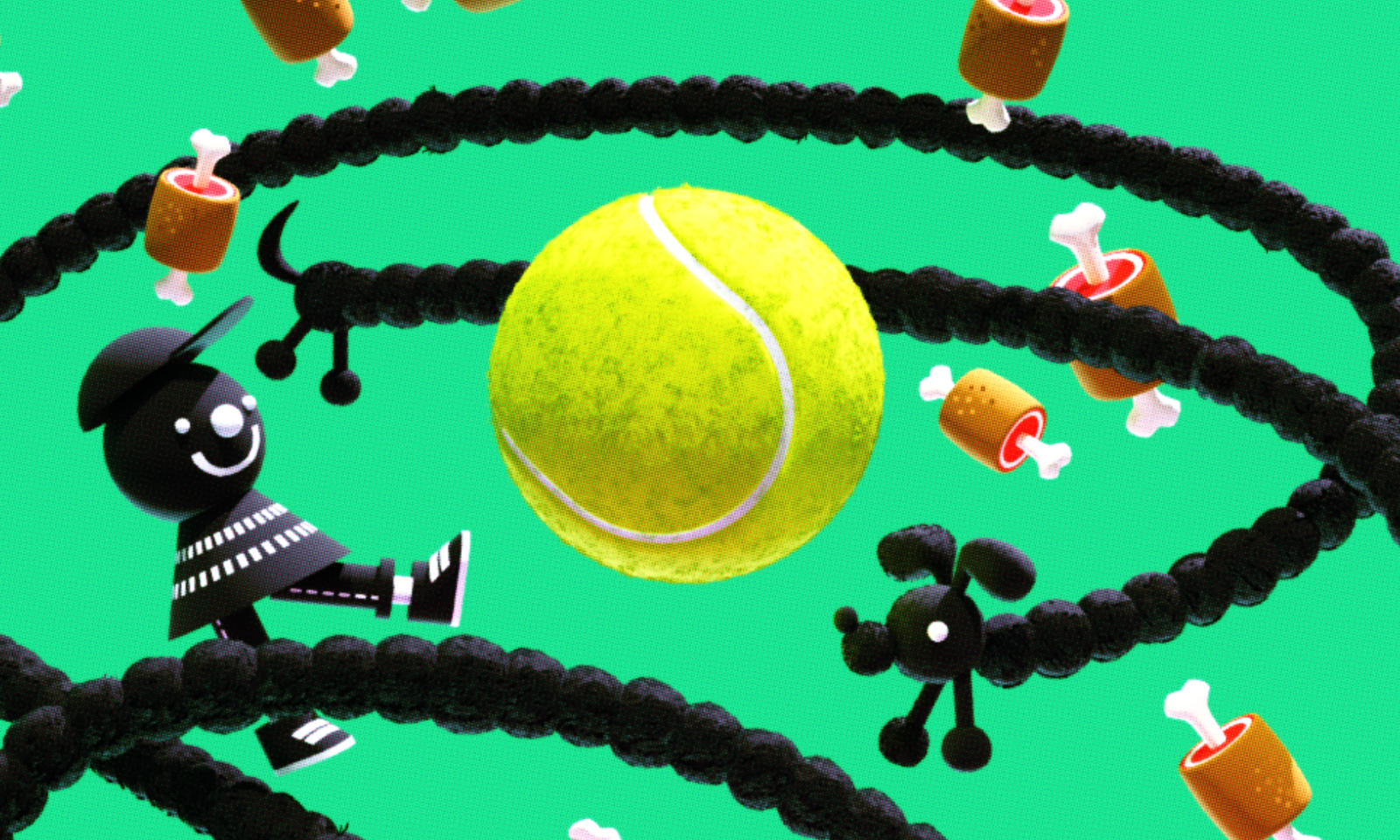
Daan: Yes, it's our first! Jonas and I have been friends for a while. We met through his partner who I worked closely with in the aforementioned studio. At some point, after finishing his work on Long Puppy for the Playdate, they suggested we should try to make a game together. Specifically, a commercially viable game.
Daan: We both already had a truckload of our own game ideas we'd like to make, but we thought it fair to try to come up with something together, from scratch. So somewhere around April 2025, I came over to their place for a week, where we tried to come devise a plan.
Daan: Jonas had been reading Chris Zukowski's advice over at howtomarketagame.com, so we had a starting off point: make a game in the crafty-buildy-strategy-simulation umbrella. That's a category of genres that focus on high replayability and manageable development cycles and is found to be relatively popular among Steam users.

Daan: Then, we set some goals:
- Earn €30.000 each.
- Have fun making a crafty-buildy-strategy-simulation game.
- Make a game in 3 months (but probably 6).
- Try out systemic/reactive design (optional).
Daan: Since Bibidi is still in development, you might have noticed we already broke 6 month goal haha. Anyway, we sat down for a week and just tried to come up with a ton of ideas. Essentially, we'd just walk around the park and throw high concept ideas at each other. We'd write all of them down and pick the ones we thought were the most promising. Then we'd design some preliminaries: mind maps, sketches, story ideas, etc. Any concept that didn't yield enough ideas or excitement organically was eliminated. We compiled all these steps into something I affectionately call THE METHOD (capitalized for dramatisation), which we might talk more about after Bibidi comes out and performs well.
Daan: For a couple of our preliminary ideas, we designed pen and paper prototypes to validate the gameplay.
Jared: That's really interesting, are you able to talk a bit more about these early ideation sessions? Where did the original concept for Bibidi Bibidi come from? At what moment did you make the realisation that your initial prototype was worth developing into a full game?
Daan: The idea to do something wizard-y came from Jonas initially. We had spoken about doing something high fantasy before and he had recently seen some aesthetic memes.
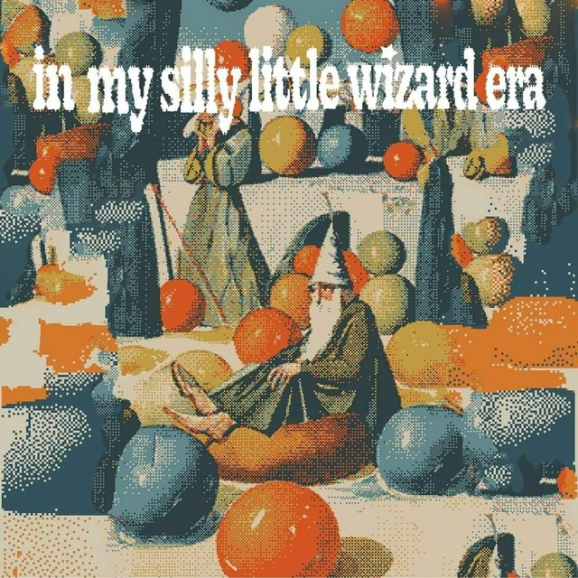
Daan: The idea came up quite organically. Spell casting in classic media is always a bit whimsical and accompanied by some nonsensical incantation. I also think crafting spells yourself is far more interesting than just clicking a button to spend mana. So the idea of combining cards into a spellbook came up immediately. But just organizing the order seemed a bit bland, so I came up with the opportunity cost of having each spell slot activate a different part of the card.
Daan: Bibidi was one of those pen and paper prototypes I mentioned before. I'm a big advocate of pen and paper prototypes, they're so useful to validate ideas as well as test out systems design and economy.
Daan: After trying out those prototypes and weighing pros and cons like development time and demographic, we ended up with 2 finalists. Bibidi Bibidi and a cozy loop-hero inspired incremental-esque game. We took a few weeks to make digital prototypes for both and tested them among friends and creative peers for feedback. The other game was too confusing to easily explain so we stuck to Bibidi, which had already tested positively.
Jared: Have there been any major changes to the game since this prototyping phase? Or has the core gameplay loop remained more or less the same?
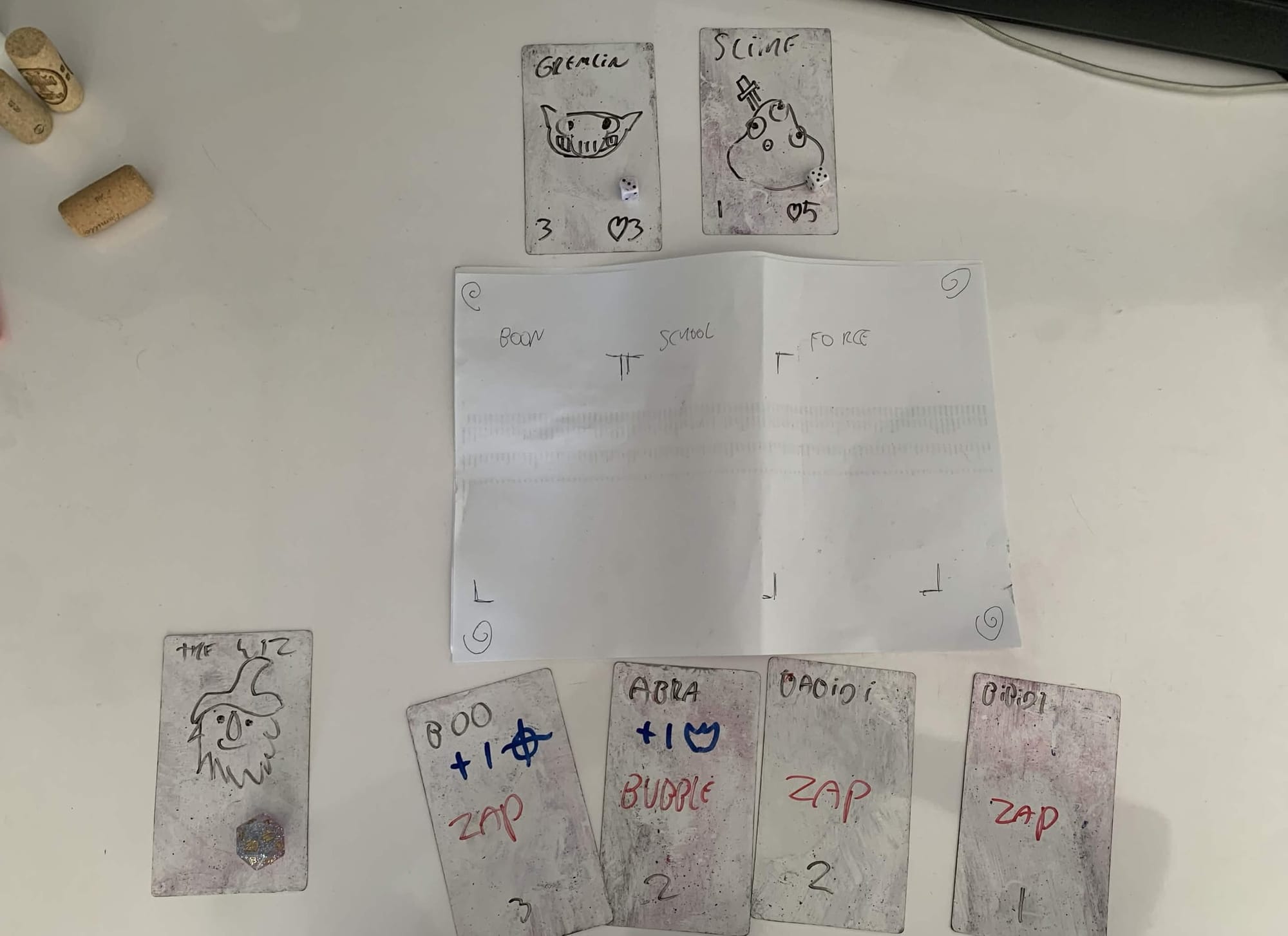
Daan: For Bibidi I designed a very casual pen and paper prototype: a sheet of A4 was the spellbook, a set of whiteboard cards were the spells and enemies. I made Jonas play it, and have him yell out the names of the cards to officially cast it.
Daan: It wasn't an immediate hit, gameplay-wise, but it played well enough. Most importantly, we had a lot of fun shouting spell incantations like Hokus Kadabra Boo! We knew that was a pretty decent marketable hook.
Each card in Bibidi Bibidi has an area for boons, school of magic and the force of the effect.
Daan: One major change we made immediately after the prototype was to make change the first area of the card into Boons (passive effects). Before, the three card seconds were:
- Target
- School
- Force
Daan: So the first spell slot would determine the targets of the spell. There wasn't enough variety and a clear dominant strategy (target all enemies, of course), so we swapped it out with individual effects that would make each card feel more unique.
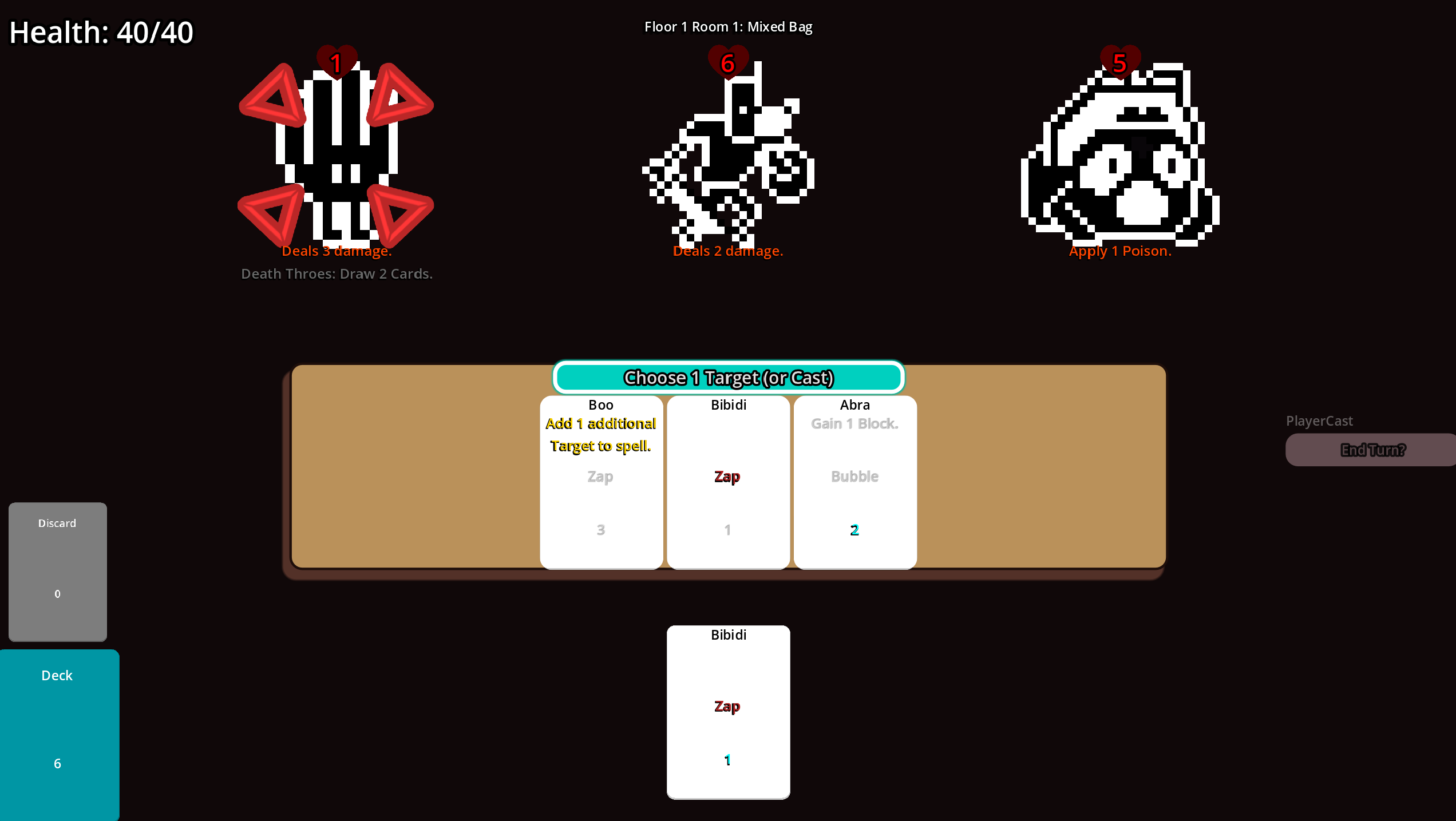
Daan: After that, we made the digital prototype, which is still up on itch.io to this day! We essentially just kept building from there, so much of the DNA remains the same. Those basic cards and enemies from the prototype are still in the game today, albeit through many rounds of tweaking and balancing.
Jared: I saw on your Steam page that a common piece of feedback was that the basic cards didn't lead to creative enough combinations as spells. Did this lead to any changes in your design process when creating subsequent cards?
Daan: Yeah, kind of. I've always been a believer in making a very strong basic core. It takes a long time to make systems design and economy feel streamlined, even with the most basic of cards. In addition to that, our target audience is people who like deckbuilders. Bibidi's main mechanic requires us to subvert some of the conventions of deckbuilders, so we thought it prudent to make sure that at least the basic set of cards has some commonly shared language: damage, block, heal, that sort of thing.
Daan: We always planned to expand the card set with more crazy, whimsical effects like gluing cards together, fusing enemies, summoning teapots and cutlery and that sort of thing. But we launched our playtests really early, and were still deep in making sure the core systems ran smoothly and felt well balanced. For the longest time, new testers came in with the idea that you could do all this crazy stuff, but ended up just attacking and defending all the time.
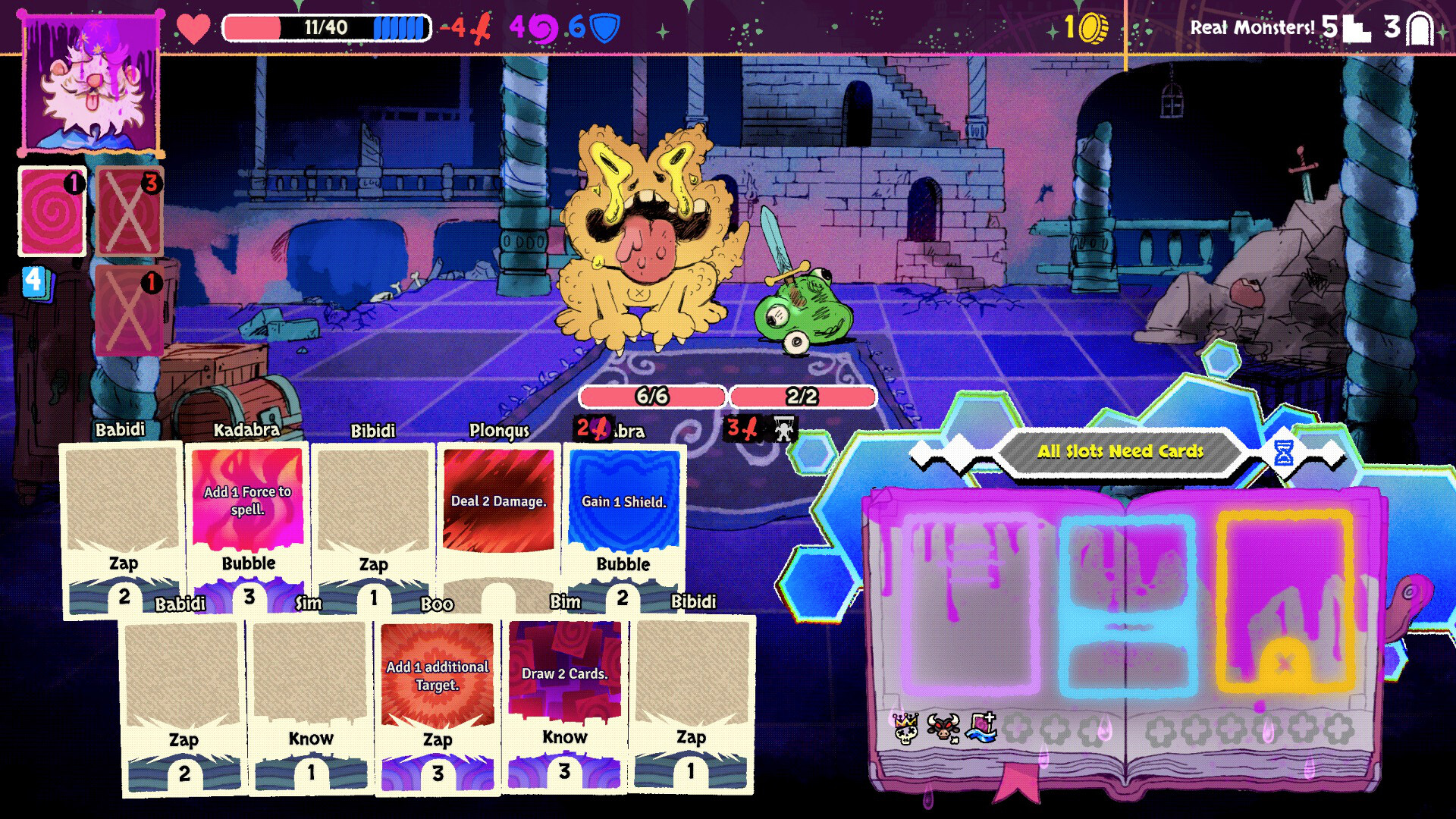
Daan: Since that feedback we did add some more interesting mechanics, like shrinking enemies into fleas or magnetising them so they share debuffs, but expect a lot more where that comes from!
Jared: The look and feel of the game is very whimsical. How did you decide on the visual direction of the game?
Daan: It's interesting, because we initially set out to make a dark and grimy dungeon crawler that juxtaposed with the inherit silliness of the wizard shouting nonsense incantations. We did a bunch of research to lock in on something attention grabbing. Jonas came across an insanely cool-looking book project called Vermis. It's a supposed guide to a TTRPG that doesn't exist.
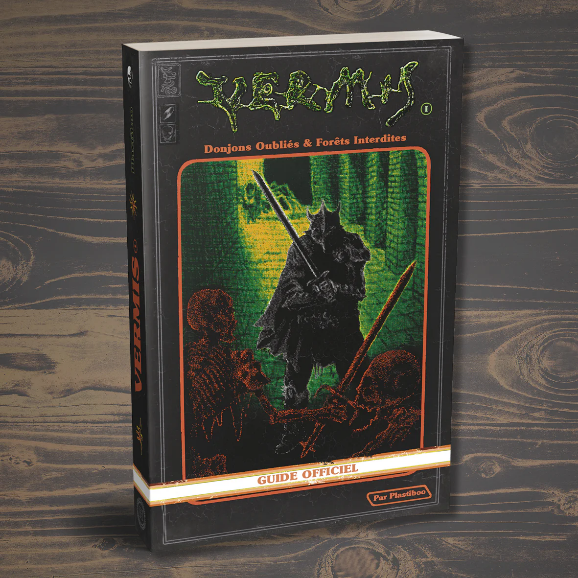
Daan: It has this super gritty, limited colour palette, printed look that I absolutely adore. So we started from there. But Jonas' style of drawing always has this bit of whimsy to it. It's cartoon-y but also a bit off-putting somehow.
Daan: We went through a lot of small iterations, and the game became more and more silly-looking as we designed more monsters and characters. At this point, we're trying to bring it back to more dark again. Seems like it's a constant back and forth between dark and silly, and will end up somewhere in between. Same goes for the lore and music by the way.
Jared: At the time of writing, you're involved in the Steam Deck Builders Fest alongside nearly 2000 other games. How have you approached marketing and visibility in such a competitive genre?
Daan: Oof, there's a lot to say about that haha. Well, first off, we've been maintaining a public playtest on Steam from the start of the year. I think it's fair to say that most of our organic, daily growth comes from there. We posted the prototypes and early versions of the playtest on Reddit and Discords and stuff and managed to build a small community of recurring players, including some active streamers.
Daan: Our spikes in wishlists, however, come mostly entirely from getting the game in front of streamers. We got our hands on a secretive tool that helps you filter streamers and content creators based on similar games they've played, in our case deckbuilders.
Daan: Sadly, we've been too busy with development that marketing momentum has grounded to a halt. We've found that to optimise results of Steam festivals, you also have to do some promotion on the side: hit up your existing audience, new trailers, update your steam page et cetera. Right now, we focus completely on finishing a public facing Demo for the upcoming (as of writing) Next Fest, so we didn't have any time for that for Deck Builders Fest.
Daan: Essentially, we got no uptick in traction from the event at all. It might also be that Steam pages with Demos, live builds and special discounts will be surfaced more easily to Steam users, but I don't think playtests qualify in the same way. For reference, we hover around 1k wishlists at the moment, which is nowhere near the widely suggested launch amount of 7k. Fingers crossed that Next Fest will pay off!
Jared: For readers who'd like to follow the development of Bibidi Bibidi, where can you be found online?
Daan: Jonas has a newsletter and so do I over at newtonarrative.com, where we post about our creative endeavours and random thoughts in general.
Daan: If you're specifically interested in Bibidi Bibidi, you can join the Discord. And of course, if the game sounds up your alley at all, please try out our public playtest on Steam! We need all the feedback we can get!
Jared: Great stuff, thanks so much for your time today Daan!
 Indiana-Jonas